Description
Ozempic without prescription | Buy Ozempic 1mg Online
Ozempic without prescription. Buy Ozempic 1mg online without the prescription of a formally issued medical prescription, a proposition that may sound appealing to some. Originally engineered and brought to market as a targeted pharmaceutical intervention for the management of type 2 diabetes mellitus, this injectable therapy has, in recent years, ascended to widespread public recognition primarily due to its substantial weight-reduction potential. Although its clinical efficacy has been validated across numerous documented scenarios, it is critically important to possess a clear and comprehensive understanding of the category of individuals for whom it is genuinely suitable, alongside a realistic appreciation of the medical, legal, and safety-related implications that may accompany the decision to obtain and utilize Ozempic without authorized medical supervision.
Who Can Use Ozempic?
Ozempic is a once-weekly injectable prescription medication developed to help adults with type 2 diabetes control their blood sugar levels. In higher doses, semaglutide, the active ingredient, has also been shown to produce clinically significant weight loss in individuals with obesity or overweight.
Ozempic may be suitable for you if you:
-
Have type 2 diabetes and need better blood sugar management
-
Are overweight or obese and have weight-related health concerns
-
Have been unable to achieve results through diet and exercise alone
Note: In some countries, including the Netherlands, Ozempic is not reimbursed by insurers if prescribed solely for weight loss, meaning you must cover the cost yourself.
How Does Ozempic Work?
The science behind Ozempic lies in its GLP-1 receptor agonist mechanism. Semaglutide mimics GLP-1, a naturally occurring hormone released after eating. GLP-1 helps:
-
Regulate insulin release and stabilize blood sugar levels
-
Reduce glucagon secretion, preventing excessive glucose release from the liver
-
Send satiety signals to the brain, suppressing appetite and reducing calorie intake
The result: You eat less, stay full longer, and maintain steadier blood sugar, all of which support sustainable weight loss when paired with a healthy diet and regular physical activity.
How to Take Ozempic
-
Form: Pre-filled injection pen
-
Frequency: Once weekly, at any time of day, with or without meals
-
Dose adjustments: Typically increased gradually to reduce side effects
-
Future option: An oral tablet version of semaglutide is in development, ideal for those who prefer not to inject
Timeline for results:
-
Blood sugar improvement: ~5 weeks
-
Weight loss results: 3–6 months
-
Average weight loss: ~5% of body weight (up to 15% in clinical trials)
Potential Side Effects
Most side effects are mild and temporary, especially during the early adjustment period.
Common:
-
Nausea (most common during dose increases)
-
Constipation or diarrhea
-
Abdominal discomfort or bloating
-
Headache, dizziness, or fatigue
-
Mild heart rate increase
Rare but serious:
-
Gallstones
-
Kidney issues
-
Severe allergic reactions (swelling, difficulty breathing)
Important: Always seek medical advice before starting Ozempic, especially if sourcing it outside a licensed pharmacy.
Ozempic Weight Loss Results – Clinical Evidence
In a major clinical trial of nearly 2,000 participants with a BMI ≥30:
-
Those taking 2.4 mg semaglutide weekly for 68 weeks lost an average of ~15% of their body weight
-
Placebo participants lost only ~2.4%
-
All participants followed a healthy diet and exercise plan
Conclusion: When used correctly under medical supervision, Ozempic can dramatically enhance weight loss efforts.
Can You Buy Ozempic Without a Prescription?
While some online sellers claim to offer Ozempic without a prescription, there are serious drawbacks:
-
Legal risk: In many countries, it is illegal to buy prescription-only medications without a valid prescription
-
Counterfeit danger: High risk of receiving fake or substandard medication
-
No medical oversight: Increases the likelihood of incorrect dosing, unmanaged side effects, and dangerous drug interactions
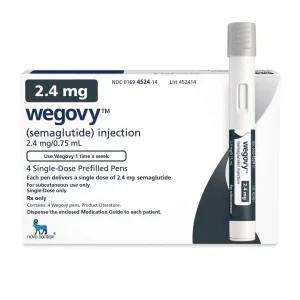
Safe Alternative: Consult a licensed doctor or telehealth provider. Many now prescribe Ozempic, or its weight-loss-approved version, Wegovy, to eligible patients even without type 2 diabetes.
Who Is Considered a Suitable Candidate for Ozempic?
Ozempic, pharmacologically known as semaglutide, is a prescription-only therapeutic agent currently sanctioned by health authorities for administration to adult patients diagnosed with type 2 diabetes. Its primary, formally recognized medical purpose lies in the regulation and stabilization of blood glucose levels. Nevertheless, at elevated therapeutic dosages, semaglutide has demonstrated a remarkable secondary capability: the facilitation of gradual yet clinically significant weight loss. This has resulted in its rapid adoption by a growing demographic of individuals actively pursuing structured weight-management regimens.
One of its most profound physiological actions is the suppression of appetite, a mechanism which, in many cases, leads to a notable reduction in caloric intake, subsequently producing progressive and sustained body-mass reduction. However, a key practical reality remains: in certain jurisdictions, including the Netherlands, health insurance providers do not reimburse the cost of Ozempic when it is prescribed explicitly for weight-loss purposes rather than for diabetes treatment. Consequently, the entire financial burden of procurement is typically borne by the patient.
The Mechanism of Action — How Ozempic Functions Within the Body
The principal bioactive compound in Ozempic is semaglutide, a synthetic analogue that mimics the activity of the body’s naturally occurring GLP-1 (glucagon-like peptide-1) hormone. This endogenous hormone is secreted in the gastrointestinal tract, pancreas, and specific regions of the brain in response to food consumption. Its primary physiological responsibilities include:
-
Stimulating the release of insulin in a manner proportional to blood glucose levels.
-
Reducing circulating blood sugar concentrations.
-
Sending satiety and hunger-inhibition signals to the brain.
By artificially simulating the activity of GLP-1, semaglutide effectively reduces appetite, moderates food cravings, and slows gastric emptying, enabling individuals to remain satiated for extended periods. However, for the drug to realize its maximum weight-management benefits, its use must be complemented by nutritionally balanced dietary practices and consistent physical activity.
Administration Method and Expected Timeline of Results
Ozempic is supplied in a pre-filled, single-use injection pen, designed for subcutaneous self-administration on a once-weekly schedule. The dosage is typically titrated upward over several weeks to allow the body to adapt gradually and to mitigate the likelihood of side effects.
Forthcoming development: A tablet-based, oral formulation of Ozempic is projected to enter the pharmaceutical market, a prospect that is likely to appeal to those reluctant to engage in injectable drug administration.
Result timeline overview:
-
Blood sugar regulation effects: Noticeable within approximately 5 weeks of initiation.
-
Observable weight-loss outcomes: Generally apparent between 3 and 6 months.
-
Average reported weight reduction: Around 5% of baseline body weight (though in some patients, significantly greater loss is observed).
In rare instances, physiological tolerance can develop over time, leading to a diminished weight-loss response despite continued treatment.
Possible Side Effects — Common and Rare Adverse Reactions
Like virtually all pharmacological interventions, Ozempic carries a potential side-effect profile. These reactions are most frequently mild to moderate and tend to diminish as the patient’s system adapts to ongoing therapy.
Commonly reported side effects include:
-
Nausea, especially during dosage escalation phases.
-
Constipation or diarrhea.
-
General abdominal discomfort.
-
Increased intestinal gas (flatulence).
-
Headache and/or persistent fatigue.
-
Episodes of dizziness or acid reflux.
-
A slight elevation in resting heart rate.
Uncommon but clinically serious adverse effects:
-
Gallstone formation.
-
Impaired kidney function.
-
Severe allergic responses, potentially involving facial swelling or respiratory difficulty.
Essential advisory: A licensed healthcare provider should always be consulted before initiating Ozempic therapy, particularly if one is contemplating procurement through unofficial, non-prescription channels. Unsupervised use carries the risk of dangerous allergic reactions, incorrect dosing, and mismanagement of treatment.
Effectiveness of Ozempic in Weight Loss — Clinical Evidence
Multiple large-scale, peer-reviewed studies affirm Ozempic’s potency as a weight-management aid. In one prominent trial involving nearly 2,000 individuals with a body mass index (BMI) of 30 or greater:
-
Participants receiving 2.4 mg of semaglutide weekly for 68 weeks exhibited an average weight reduction approaching 15% of their initial body weight.
-
The control group, administered a placebo, recorded an average loss of only about 2.4%.
It is important to note that all study participants adhered to a structured regimen of nutritional guidance and regular exercise, underscoring that the drug’s success is amplified when paired with lifestyle modifications.
The Reality of Obtaining Ozempic Without a Prescription
While there are certain online sources and alternative distribution channels from which Ozempic can be obtained without a legitimate prescription, this route entails significant hazards:
-
Legal ramifications: In many countries, purchasing prescription-only medications without medical authorization violates pharmaceutical law.
-
Safety concerns: The potential for receiving counterfeit, contaminated, or substandard medication is substantial.
-
Lack of medical supervision: Without professional oversight, the likelihood of incorrect dosage, poor monitoring, or overlooking harmful interactions with other medications greatly increases.
For those considering Ozempic for weight-control purposes, the most prudent and secure approach remains to seek guidance from a qualified physician or licensed telemedicine provider. This ensures not only a personalized dosage plan but also ongoing evaluation of treatment safety and effectiveness.
Concluding Perspective
Ozempic represents a highly effective pharmacological instrument for both glycemic management in type 2 diabetes and, under the right circumstances, clinically meaningful weight reduction. However, its use must be grounded in responsibility, medical oversight, and legal compliance. While the allure of bypassing prescription requirements may seem appealing for the sake of convenience, doing so exposes the individual to considerable health hazards and potential legal jeopardy.
The optimal course of action is to engage in a thorough consultation with a healthcare provider, during which eligibility can be determined. Many clinicians now prescribe Ozempic, or its weight-loss-specific counterpart, Wegovy, to qualifying individuals, including those who do not have diabetes but meet established criteria for weight-management therapy.